Lieu-dit Le Malabrit
Pour une redéfinition contemporaine du vernaculaire
2025
Auteur(s)
Mathilde Wong
Enseignant(s)
Jean-Pierre Vallier, William Parlon
Département
THP
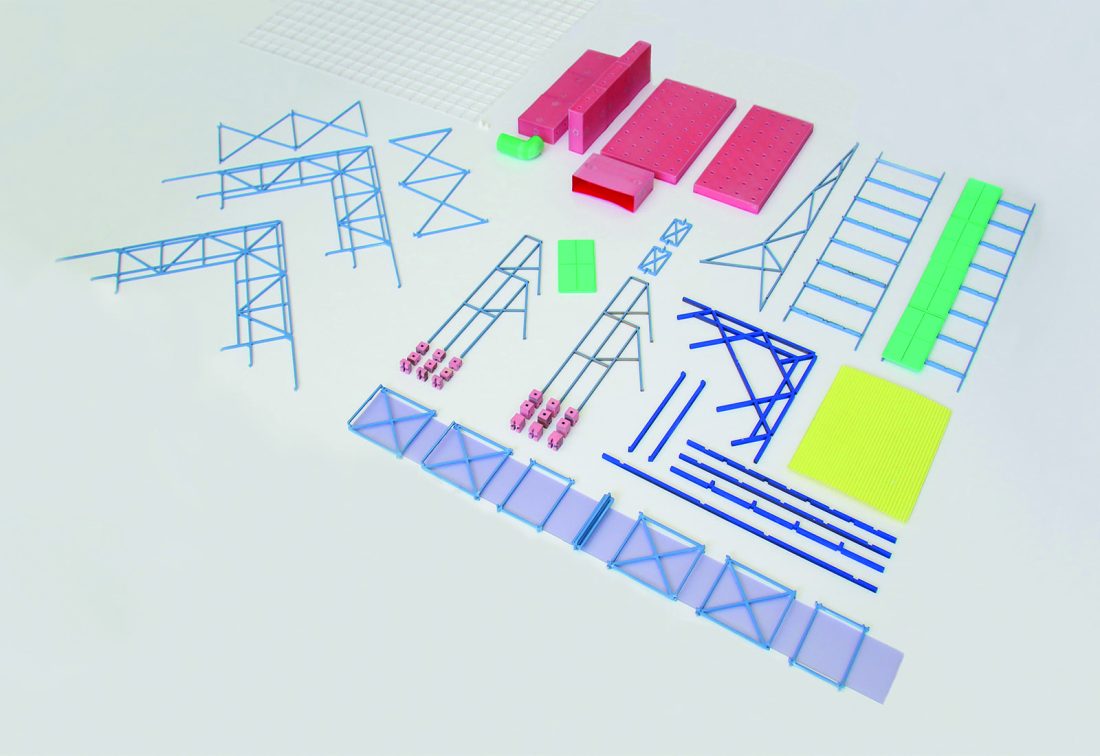
Ce projet confronte les imaginaires et fantasmes associés au Malabrit, objet architectural dans lequel se cristallisent de multiples tensions : activité agricole en déclin, bricolage anonyme, pittoresque alpin. Plus que ses qualités matérielles, c’est le discours qu’il suscite qui importe, révélant un fantasme vernaculaire profond. À partir de ce cas, nous questionnons ce que peut apporter un bâtiment vernaculaire à l’histoire de la théorie architecturale. En opposant architecture savante et non savante, nous explorons comment une forme sans auteur peut entrer en résonance avec des outils critiques. La méthode employée est celle de l’analogie : d’abord formelle, pour comprendre de quoi est fait le Malabrit, puis théorique, en convoquant des références extérieures qui permettent un glissement vers l’architecture savante, répondant ainsi à cette question, selon Loos, l’architecte est un maçon qui a appris le latin, comment alors traduire en latin le patois des maçons ?
Consultable à la bibliothèque de l’école
This project confronts the imaginaries and fantasies associated with the Malabrit, an architectural object in which multiple tensions are crystallised: a declining agricultural activity, anonymous DIY construction, and alpine picturesque. More than its material qualities, it is the discourse it provokes that matters, revealing a deep vernacular fantasy.
Taking this case as a starting point, we question what a vernacular building can contribute to the history of architectural theory. By opposing learned and non-learned architecture, we explore how a form without an author can resonate with critical tools.
The method employed is that of analogy: initially formal, to understand what the Malabrit is made of; then theoretical, by invoking external references that allow a shift towards learned architecture. This responds to the question raised by Loos: if the architect is a bricklayer who has learned Latin, how, then, can we translate the bricklayer’s dialect into Latin?